
|
In today's issue
|
|||||||||||||||
|
01 · Business
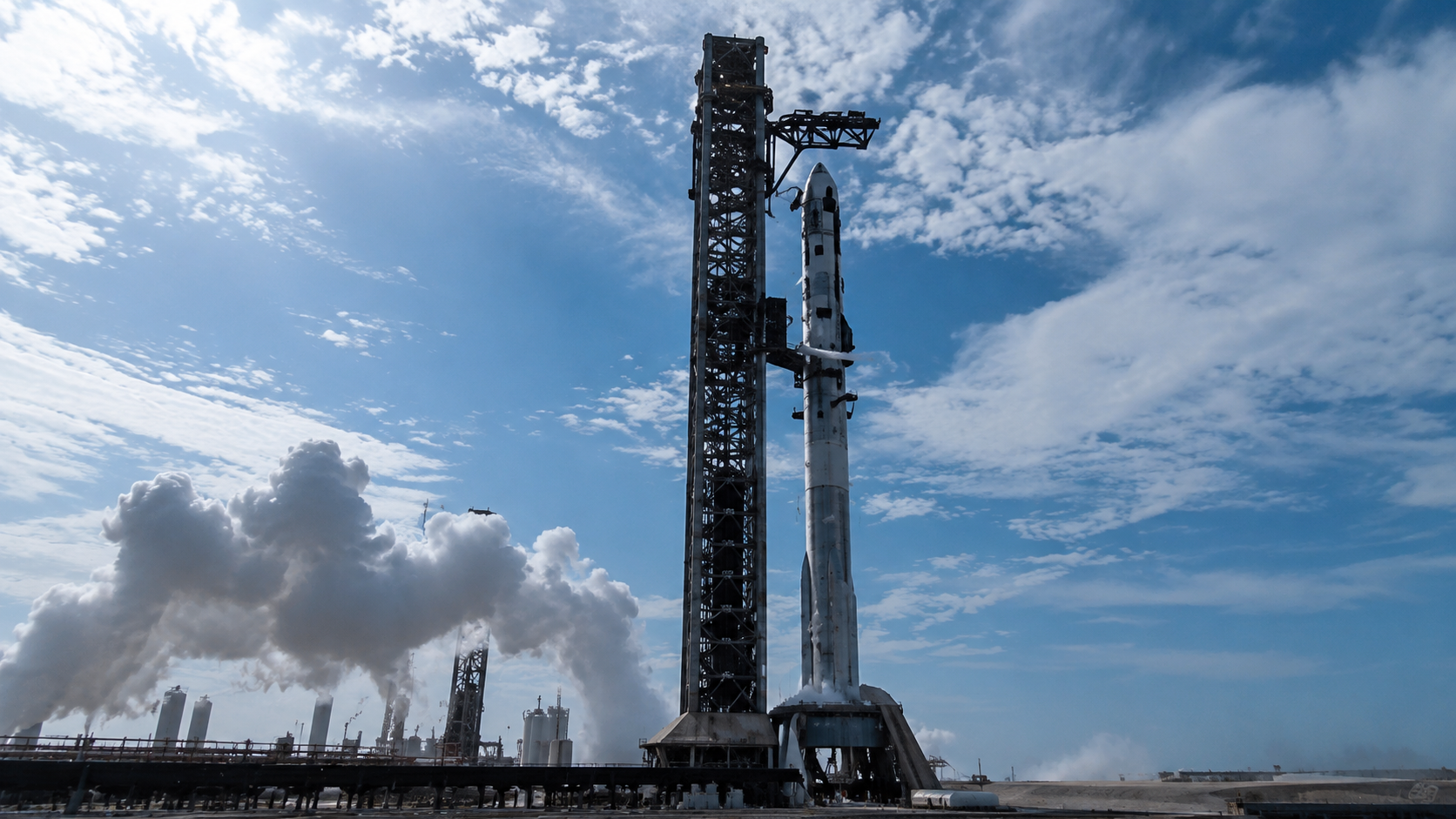
S&P 500 refuses to bend rules for SpaceX, blocking OpenAI and Anthropic tooS&P Dow Jones Indices rejected SpaceX's request to skip its standard rules for fast entry into the S&P 500 on June 4, blocking a precedent that would have also shut OpenAI and Anthropic out of the index at IPO. The ruling denies SpaceX $14 billion in automatic passive fund buying and protects $7.5 trillion in S&P 500-tracking assets from absorbing unprofitable, thinly-held mega-cap debuts.
The details:
Why it matters: S&P's refusal to bend is a rare win for index discipline over capital flows. The decision forces SpaceX, OpenAI, and Anthropic into a two-tier outcome: they'll get rich from other indexes and private wealth, but lose the $7.5 trillion halo of S&P 500 inclusion. Expect massive pressure to mount if any of these companies hit trillion-dollar valuations—but for now, index governance held the line against mega-cap exceptionalism. |
|||||||||||||||
|
02 · Business
Google to pay SpaceX $920M a month to rent xAI compute capacityGoogle will pay SpaceX $920 million per month for access to 110,000 Nvidia GPUs through June 2029, a 32-month deal disclosed as SpaceX prepares for a $1.75 trillion IPO next week. The contract lets Google secure massive compute capacity while SpaceX converts billions in AI infrastructure spending into locked-in revenue ahead of its public offering.
The details:
Why it matters: SpaceX is monetizing AI infrastructure before it goes public, and Google is subsidizing a competitor's growth to avoid building all its own chips. This deal is a band-aid: Google's capex guidance keeps climbing, and SpaceX's AI unit is losing $2.5 billion a quarter even with $2.07 billion in monthly contracted revenue locked in. Expect more such deals as hyperscalers realize they can't build fast enough alone—and as startups leverage balance-sheet scale to become infrastructure providers. |
|||||||||||||||
|
03 · Business
Enterprises blow past 2026 AI token budgets by 3x, scramble for controlsEnterprises are spending 3x their full-year 2026 AI token budgets by April, with Uber burning through its entire coding budget in four months and one company facing a $500M Claude bill after failing to set usage limits. The explosion stems from agentic AI models released in November that consume tokens at rates per-token discounts cannot offset, forcing companies to scramble for cost controls.
The details:
Why it matters: The token bill has arrived, and enterprises are learning the hard way that cheap-per-token pricing doesn't matter when agentic AI multiplies consumption by 18x. The infrastructure for tracking trillions of monthly token rows doesn't exist yet—most cloud cost systems collapse under the load—which means billing disputes and audit nightmares are coming. Expect a new vendor category in cost-tracking software and stricter token guardrails to replace 2025's "go fast and use the best model" ethos. |
|||||||||||||||
|
|||||||||||||||
|
04 · Business

Airbnb CEO Brian Chesky is starting his own AI labAirbnb CEO Brian Chesky is founding a new AI lab focused on user interaction and design while keeping his CEO role, directly competing with OpenAI—a company he has advised for years. Chesky believes existing AI tools lack the rich interfaces needed for travel and e-commerce, creating both a philosophical rift with Sam Altman and a $1 billion revenue opportunity for Airbnb.
The details:
Why it matters: Chesky is betting that OpenAI and Anthropic have optimized for generalist chat when the real value is in domain-specific interfaces tailored to travel, commerce, and complex user flows. His move signals a fracture in founder-mentor relationships under AI pressure—loyalty to Altman evaporates when the product vision diverges. Expect more operator-founders to fork their own model labs as they realize off-the-shelf LLMs are table stakes, not differentiation. |
|||||||||||||||
|
05 · Business

About 90 investors hold stakes in both OpenAI and AnthropicAbout 90 venture firms and money managers have invested in both OpenAI and Anthropic, with 42% of OpenAI's backers also holding Anthropic stakes. The overlap is unprecedented for direct rivals and signals that top investors see no clear winner in the AI race—they're hedging by owning both.
The details:
Why it matters: The venture world's shift from picking winners to owning the entire category is a tacit admission that foundation models are a commodity-in-formation, not a winner-take-most market. Smart money is betting on the IPO lottery—whichever AI lab reaches public markets first and pops will fund the others' eventual losses. Watch for this dual-exposure pattern to spread to xAI and other deep-pocketed rivals. |
|||||||||||||||
Everything else in AI today |
|||||||||||||||
How was today's issue?One tap helps me dial in tomorrow's send.
|
|||||||||||||||
That's it for today.Same stories, fuller context: catch the AI Chat podcast wherever you listen. Reply with what we missed — I read every one. Browse all today's stories · forward to a friend. |

