
In partnership with

Speak naturally. Send without fixing.

Wispr Flow turns your voice into clean, professional text you can send the moment you stop talking. Not rough transcription you have to clean up. Actual polished text — ready for email, Slack, or any app.
Speak the way you think. Go on tangents. Change your mind mid-sentence. Flow strips the filler, fixes the grammar, and gives you text that reads like you spent five minutes writing it.
89% of messages sent with zero edits. Millions of professionals use Flow daily, including teams at OpenAI, Vercel, and Clay. Works on Mac, Windows, and iPhone.
|
In today's issue
|
|||||||||||||||
|
01 · Business
OpenAI shuts down Atlas browser, folds features into ChatGPT and ChromeOpenAI is shutting down Atlas, its nine-month-old AI browser, and moving its features into a Chrome extension and upgraded ChatGPT desktop app instead. The shift signals that OpenAI now believes ChatGPT's existing user base is more valuable than building a standalone browser.
The details:
Why it matters: OpenAI is betting that improving ChatGPT where people already use it—inside Chrome and on the desktop—beats the cost of maintaining a separate browser. This avoids the engineering burden of rendering engines and web standards, but leaves Google controlling the extension ecosystem and Perplexity or The Browser Company room to win if they scale their standalone browsers. |
|||||||||||||||
|
02 · Models
Meta launches Muse Spark 1.1 to challenge Claude and GPT-5.6 on codingMeta released Muse Spark 1.1 on Thursday, a coding model designed to build features and manage workflows inside enterprise software without human intervention. At $1.25 per million input tokens, it's priced to compete directly with Claude Haiku 4.5 and GPT-5.6 Luna — the dominant cheap coding models that companies are already standardizing on.
The details:
Why it matters: Meta is entering a category Anthropic and OpenAI defined over a year ago, but the pricing is close enough that large-volume enterprise buyers have reason to test it. The model's strengths at tool use and computer use — automating chains of decisions across external apps — are concrete claims that will either hold up or fall short when real teams run it against their existing workloads. |
|||||||||||||||
|
03 · Business

Sunrun to pay customers to host AI compute nodes in their homesSunrun is paying customers to host AI compute hardware in their homes, spreading AI workloads across 1.1 million residential solar and battery systems instead of building massive data centers. This sidesteps a major problem: 70% of Americans oppose new data center construction near them due to noise, pollution, and power drain.
The details:
Why it matters: Sunrun sees a new revenue stream from customers' existing batteries, while AI companies get around siting backlash—but it only works if home internet is reliable enough and idle nodes don't tank the economics. The real test is whether enterprise buyers will trust distributed residential hardware for anything beyond small-model inference. |
|||||||||||||||
|
|||||||||||||||
|
04 · Business
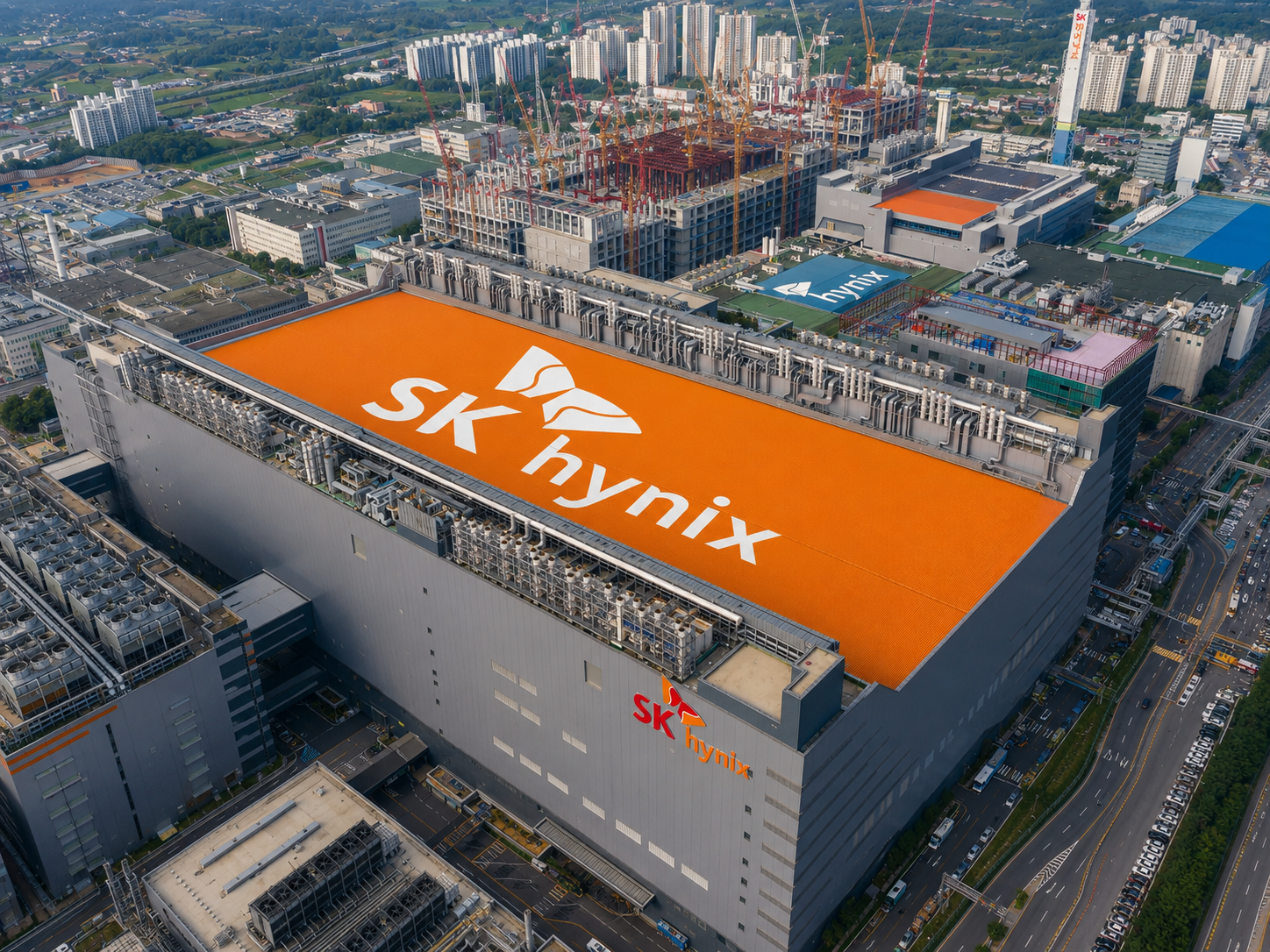
SK Hynix raises $26.5B in largest-ever foreign IPO on US marketsSK Hynix raised $26.5 billion selling shares on US markets Friday — the largest-ever US debut by a non-American company, beating Alibaba's 2014 record. Wall Street bid aggressively for exposure to the South Korean chipmaker's high-bandwidth memory, which powers Nvidia's AI accelerators.
The details:
Why it matters: SK Hynix's record haul signals US investor appetite for AI infrastructure outside America — but also a policy shift. Washington now wants to rebuild domestic memory manufacturing, which it largely abandoned decades ago. Micron fired back with a $250 billion US investment pledge, setting up a real competition for federal subsidies and talent. |
|||||||||||||||
|
05 · Business

Fidji Simo steps down as OpenAI's applications chief, citing chronic illnessFidji Simo is stepping down as OpenAI's No. 2 executive and moving to a part-time advisor role after a three-month medical leave. She had consolidated product and business operations under her since May 2025, but a severe relapse of a chronic illness led her to prioritize recovery ahead of OpenAI's planned 2027 IPO.
The details:
Why it matters: Simo's departure removes Altman's designated second-in-command during a critical period of reorganization and IPO preparation. The company will likely promote from within — Denise Dresser, the chief revenue officer hired in December 2025, is considered an internal candidate and brings enterprise sales experience OpenAI needs to compete with Anthropic on coding tools. |
|||||||||||||||
Everything else in AI today |
|||||||||||||||
How was today's issue?One tap helps me dial in tomorrow's send.
|
|||||||||||||||
That's it for today.Same stories, fuller context: catch the AI Chat podcast wherever you listen. Reply with what we missed — I read every one. Browse all today's stories · forward to a friend. |

