
In partnership with

You've seen the AI demos. Viktor does it without you watching.

The AI tool you tried last quarter waited for a prompt, hallucinated a number, then asked if you'd like a summary.
Viktor opened a PR at 2am, rebased it against main, ran your test suite, and posted a note in #eng: "Two flaky tests in payments service, both pre-existing. Recommended merging after fixing them." Then drafted the customer reply for the support ticket the bug created.
That's 619K autonomous actions per day across 20,000+ teams. Not chat replies. Real work shipped to GitHub, Stripe, Linear, Notion, and 3,000+ other tools, from inside Slack and Microsoft Teams.
You don't supervise him any more than you supervise a senior engineer.
SOC 2 certified. Your data never trains models.
"It's what you probably originally thought AI was going to be when you first heard of it in sci-fi movies." Tyler, CEO.
|
In today's issue
|
|||||||||||||||
|
01 · Models
Anthropic frees Claude Cowork from the desktop with always-on mobile agentAnthropic untethered Claude Cowork from your laptop: the AI agent now runs scheduled tasks overnight without you keeping your desktop open. The upgrade rolls out first to Max plan subscribers ($100/month), then to Pro ($20/month), letting users request work from their phone and return to finished results hours later.
The details:
Why it matters: Always-on agents are now table stakes across the major AI platforms—Claude, OpenAI, and Google all shipped versions in the last few months. For knowledge workers, this means the difference between AI as a helper you supervise and AI as a night-shift coworker that handles overnight requests without human babysitting. |
|||||||||||||||
|
02 · Models

DeepSeek plans its own inference chips to cut Nvidia and Huawei relianceDeepSeek is designing its own data center chips for running AI models after spending about a year on the project. The move lets the Chinese AI company dodge US export controls on Nvidia and reduce reliance on Huawei, which dominates China's chip market.
The details:
Why it matters: Building a competitive chip from scratch typically takes three to five years, and DeepSeek hasn't named a manufacturing partner or timeline yet—so this is a long-term bet, not an imminent product. The real win, if it ships, is controlling the profit margin on every AI response the company sells rather than paying Nvidia or Huawei as middlemen. |
|||||||||||||||
|
03 · Business
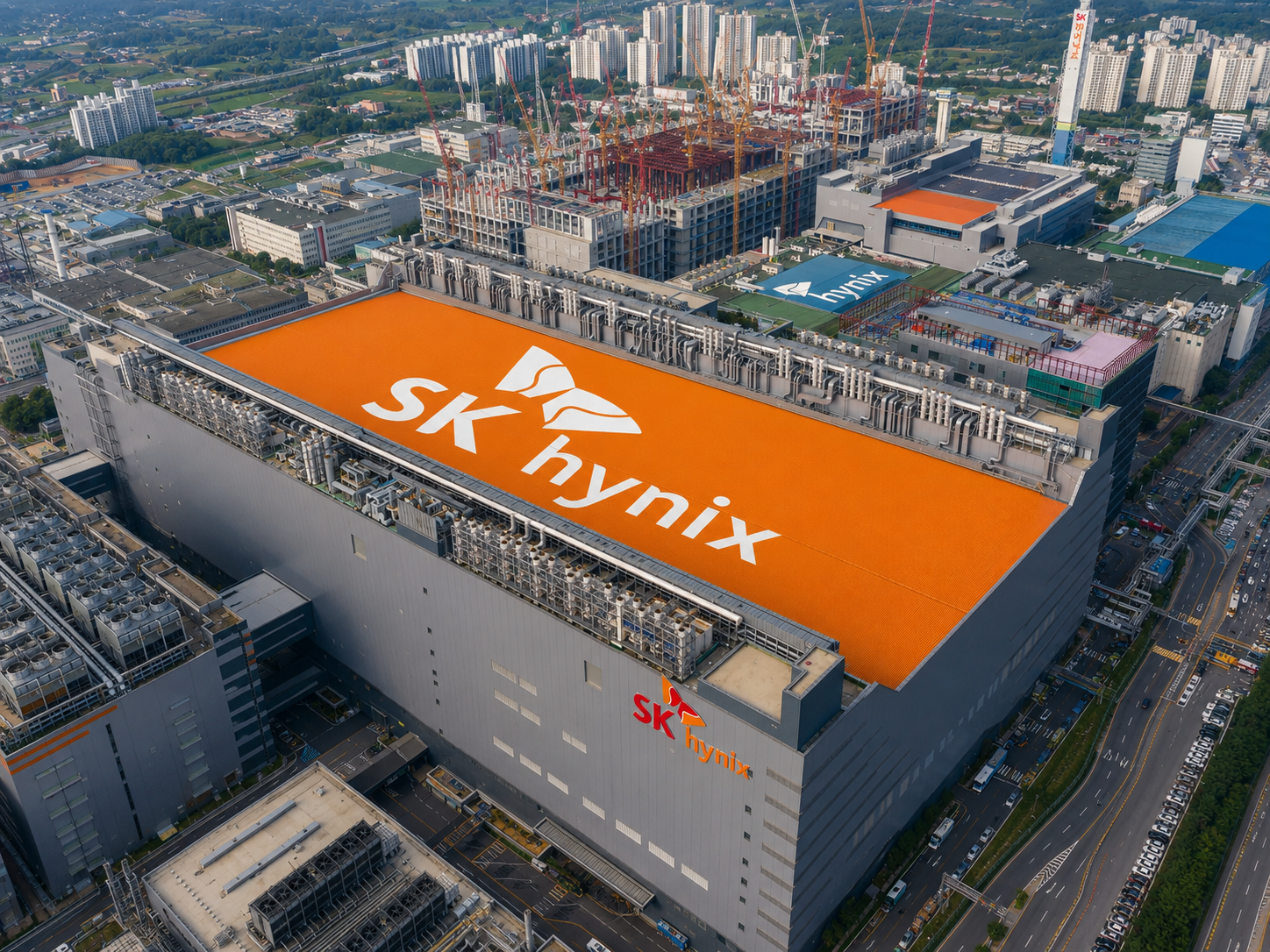
SK Hynix plans $28B US listing as AI memory demand fuels 260% stock runSK Hynix, South Korea's memory giant, is selling shares on Wall Street this week in a $28 billion offering that gives US investors direct access to the second-largest memory chipmaker globally. The timing capitalizes on an AI boom: SK Hynix's revenue jumped 200% year-over-year, and its stock is up 260% this year as data centers desperately need more memory chips to run AI models.
The details:
Why it matters: SK Hynix's US debut plugs a gap for investors betting on AI infrastructure, but it carries real risk: memory is cyclical, and if new factories come online just as AI workloads shift toward less memory-hungry designs or specialized chips, both SK Hynix and Samsung could face a costly overcapacity crash like past memory downturns. |
|||||||||||||||
|
|||||||||||||||
|
04 · Tools

Solos launches AirGo A6 smart glasses at 19 grams, skipping cameras for voice AISolos just released the AirGo A6, ultra-light smart glasses that weigh 19 grams and skip cameras entirely in favor of a voice-only AI assistant. That's roughly one-third the weight of Meta's latest glasses and sidesteps the privacy backlash that's dogged camera-equipped frames.
The details:
Why it matters: Solos is betting that voice-only smart glasses can win where cameras lose: you can wear them anywhere without making people uncomfortable about being recorded. Without a camera, the A6 trades visual lookup and scene description for all-day comfort and privacy peace of mind—a trade that matters more as smart glasses move from niche gadget to everyday wear. |
|||||||||||||||
|
05 · Business

Vercel's Guillermo Rauch bets on splitting AI models from agentsVercel, the platform that hosts millions of web deployments, is betting that the future of AI belongs to companies that keep models and agents separate — not locked together by a single AI lab. The startup processes 6 million deployments daily and over 1 trillion AI tokens, giving it a front-row seat to how companies actually build with AI.
The details:
Why it matters: The real battle is over who controls the stack. If companies can swap AI models like components, they won't be locked into one lab's ecosystem — which means infrastructure platforms like Vercel gain leverage. That's why OpenAI is moving into hosting: both sides know the layer that connects models to production wins. |
|||||||||||||||
Everything else in AI today
|
|||||||||||||||
How was today's issue?One tap helps me dial in tomorrow's send.
|
|||||||||||||||
That's it for today.Same stories, fuller context: catch the AI Chat podcast wherever you listen. Reply with what we missed — I read every one. Browse all today's stories · forward to a friend. |

