

Sponsored by

Live Webinar: SSP Automation, Native to Your Billing Platform

Most finance teams still track SSP in spreadsheets — manually updated, disconnected from billing. On July 22, Tabs' product and marketing leads show what changes when SSP runs natively inside your billing platform: built from real billing data, connected to your Product Catalog, and generating audit-ready documentation automatically.
You'll leave with a clear view of how SSP and billing connect, what transaction price allocation looks like under ASC 606 in practice, and what it takes to close faster without reconciling SSP to contracts by hand.
July 22, 2026 · 1:30–2:00 PM EDT · Live + recording
Register now to save your spot, or read more about how Product Catalog powers billing automation.
|
In today's issue
|
|||||||||||||||
|
01 · Business

Anthropic held acquisition talks with Physical Intelligence, complicating OpenAI's robotics pushAnthropic held acquisition talks with Physical Intelligence this spring, a $11 billion robotics startup, though the deal didn't close. Both Anthropic and OpenAI are now racing to build robotics capabilities ahead of their planned stock-market debuts later this year.
The details:
Why it matters: Understanding the physical world may be essential for the next generation of AI systems, and buying an existing robotics team lets a company skip years of building hardware and collecting real-world data. The competition between Anthropic and OpenAI to own robotics talent will likely intensify as both prepare to go public. |
|||||||||||||||
|
02 · Security
Meta launches Content Seal AI watermarking, three years after promising labelsMeta launched Content Seal in July, an invisible watermark that identifies images made by its new Muse model—three years after promising to label AI-generated content. The watermark only works on Muse images, leaving millions of AI photos Meta generated since 2023 undetectable by its own tool.
The details:
Why it matters: Meta's three-year delay and half-built rollout suggest the company is checking a box rather than solving the problem. Until detection lives inside Meta AI itself and covers everything the company has generated since 2023, the watermark won't actually stop deceptive AI content from spreading on Facebook and Instagram. |
|||||||||||||||
|
03 · Business
Synthesia launches Roleplay Sessions to score employees on AI conversationsSynthesia launched Roleplay Sessions on Wednesday, letting employees practice conversations with AI avatars that grade them against a rubric. The British startup is betting enterprises will pay more for proof that training actually changes behavior, not just cheaper video clips.
The details:
Why it matters: This positions Synthesia as a performance-management platform rather than just an AI video vendor. The shift makes sense: most corporate training stops at watching and learning, but salespeople and managers get better through repeated practice with feedback. If Roleplay's analytics can prove measurable improvement in skills like sales or leadership, enterprises will pay premium prices for it. |
|||||||||||||||
|
|||||||||||||||
|
04 · Business
Samsung in talks to back Mistral at €20 billion valuationSamsung is in talks to invest in French AI startup Mistral at a €20 billion valuation, more than triple its value from mid-2024. The deal would cement Mistral as Europe's only frontier AI lab competing with OpenAI and Anthropic, while giving Samsung a direct stake in a model maker it already uses to power Galaxy phones.
The details:
Why it matters: This positions Mistral to compete harder in Asia and reinforces its appeal to European governments and enterprises as a non-US alternative. Samsung joins Nvidia and SoftBank in using hardware and cash to secure preferential access to frontier AI models, a trend that's reshaping how models get distributed globally. |
|||||||||||||||
|
05 · Business
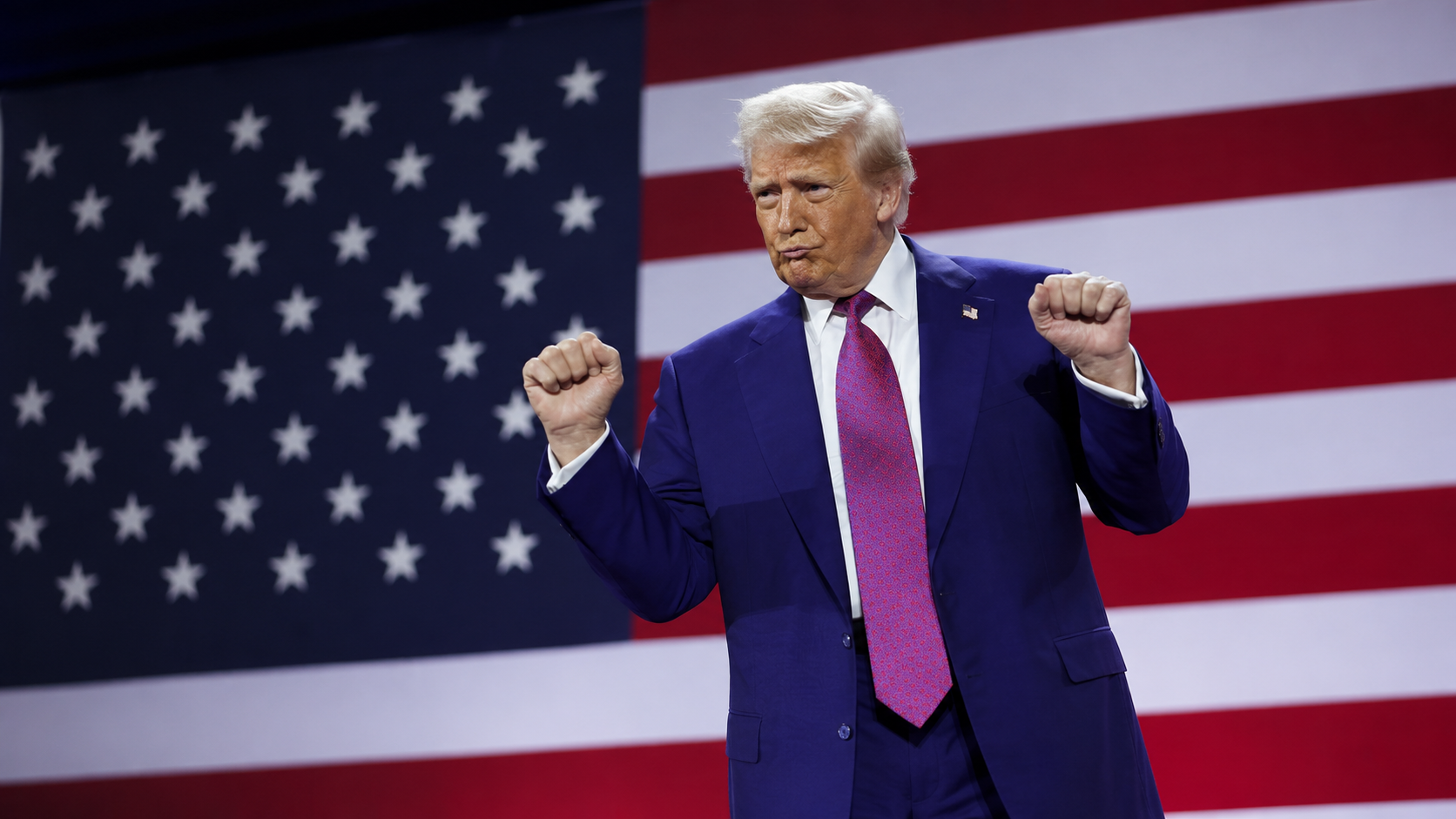
NextEra, Duke, and 200 utilities sign Trump's AI electricity pledgeNearly 200 utility and data center companies—including NextEra Energy and Duke Energy—have signed Trump's pledge to shield households from AI electricity costs, now covering 80% of US power delivery. The voluntary commitment aims to make AI providers, not regular ratepayers, pay for new power plants and grid upgrades.
The details:
Why it matters: The pledge is a political alignment play—tech companies and utilities get goodwill at a moment when data center approvals face local pushback, but it doesn't change how power purchase agreements work or stop costs already flowing into rate cases. Without federal rate-setting authority or enforcement teeth, the real test is whether it changes behavior at the state level where regulators actually decide prices. |
|||||||||||||||
Everything else in AI today
|
|||||||||||||||
How was today's issue?One tap helps me dial in tomorrow's send.
|
|||||||||||||||
That's it for today.Same stories, fuller context: catch the AI Chat podcast wherever you listen. Reply with what we missed — I read every one. Browse all today's stories · forward to a friend. |

